Introduction
Investing is one of the best ways to grow your money over time. However, before you start investing, it is important to understand the basics. Many beginners invest without proper knowledge and lose their money. In this guide, you will learn the basic concepts of investing and the first steps to start your investment journey.
What is investing?
Investing means using a small percentage of your income to earn more money in the future. In simple words, you use your money to make more money. This process is called investing.
Investing can be very beneficial when it is done with proper knowledge and planning. Many people create an extra source of income through investing and improve their financial future.
Investing vs Savings
There is a big difference between investing and savings.
Investing
In investing, people use their money to earn higher returns. Every investment has some level of risk, and there is always a possibility of losing money.
If you invest in the wrong company, platform, or asset without proper research, you may lose your investment. That is why investing should always be done after learning the basics
Savings
Saving means keeping a small amount of money from your monthly income for future needs or emergency situations.
Unlike investing, savings have very little risk because you are simply keeping your money safe instead of trying to grow it quickly.
Saving money is beneficial for everyone because it provides financial security during difficult times.
why should begginars start investing?
Beginners should start investing because it can help them build wealth and create an extra source of income.
However, many beginners make the mistake of investing without learning about finance or investing. They trust fake companies or scam platforms and lose their money.
Before investing, every beginner should first learn the basic concepts of investing, understand the risks involved, and choose regulated and trusted investment platforms.
Steps to learn Investing
Some important steps to start investing is given as:
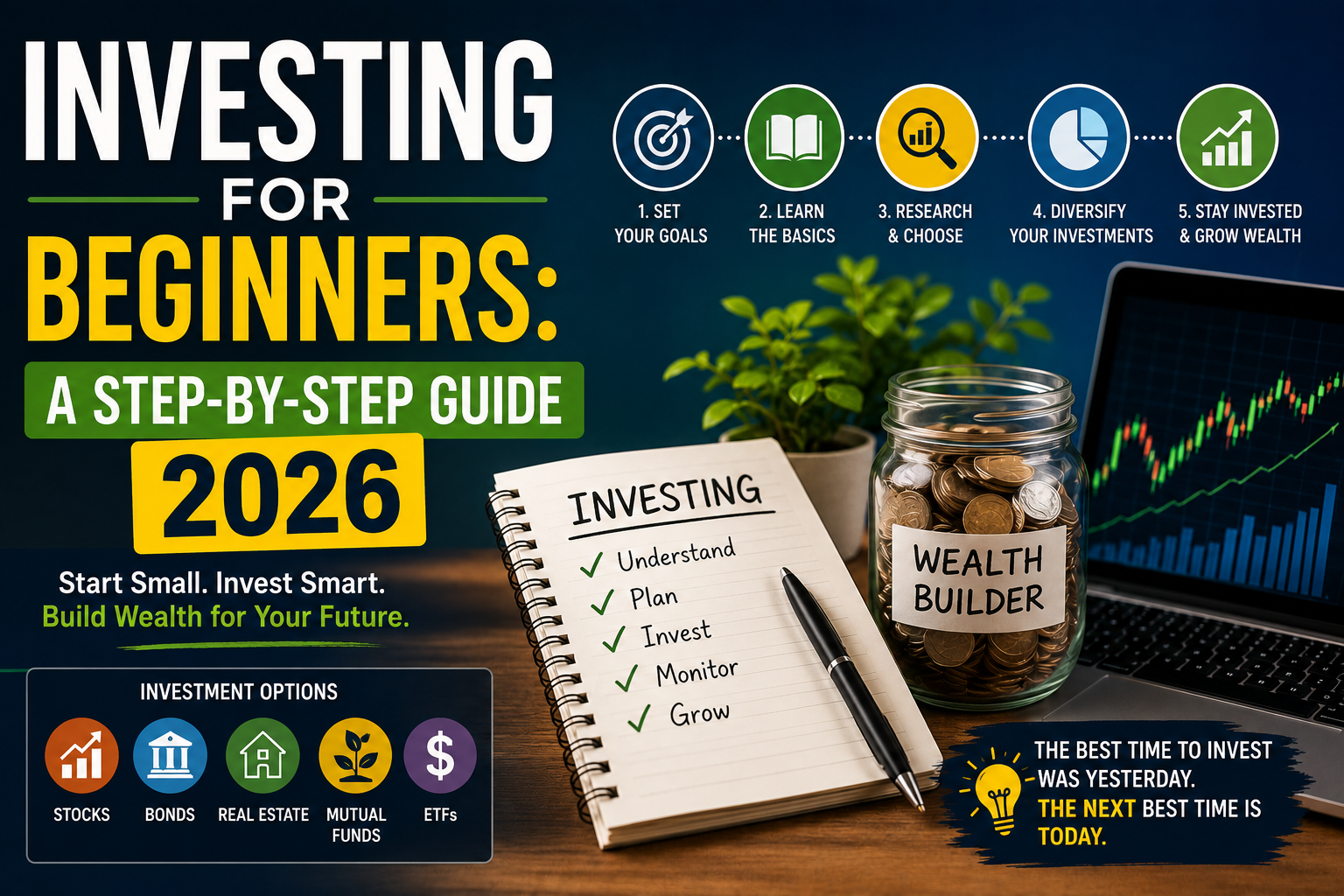
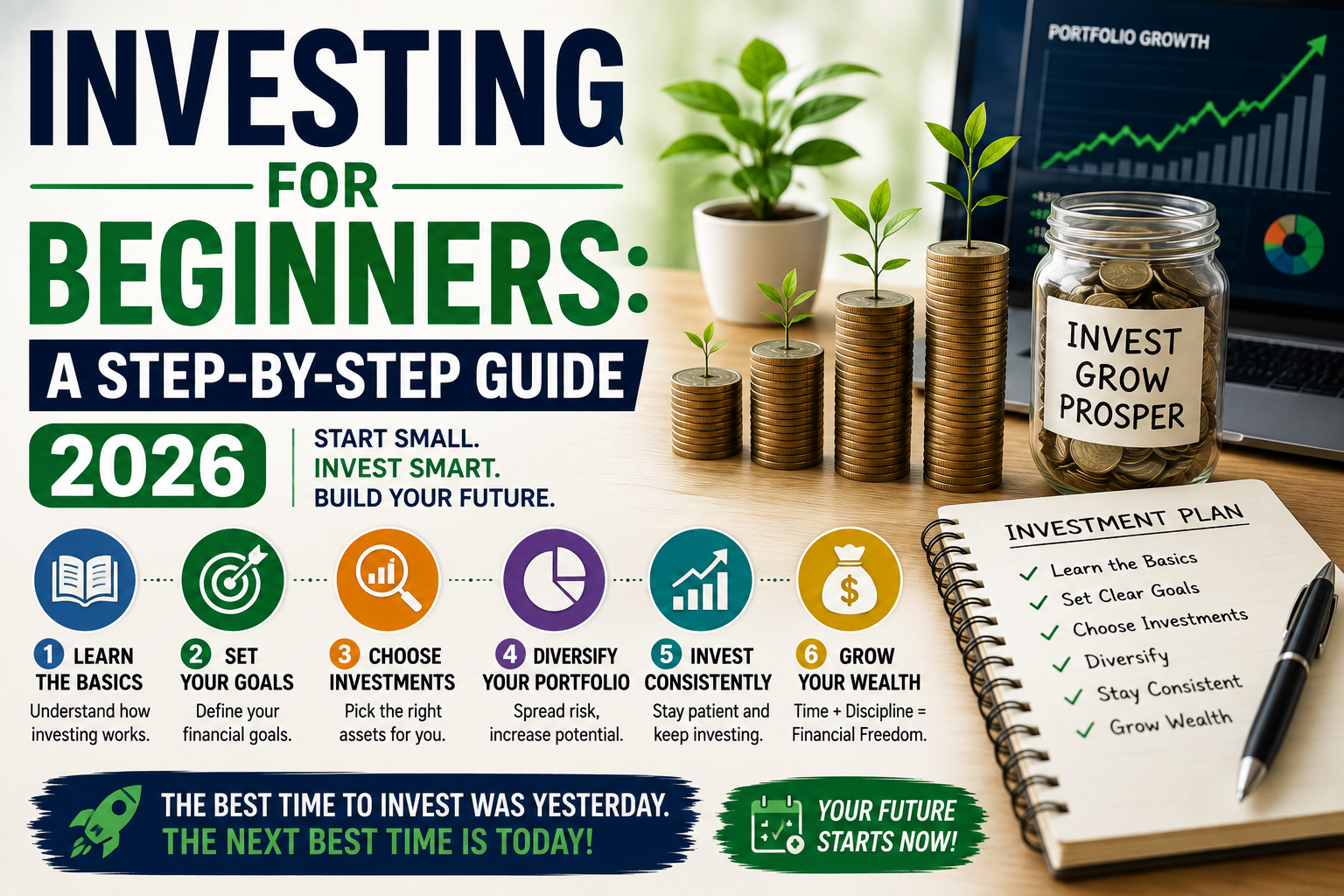
1- Set Your Financial Goals
First, calculate your monthly income and create a proper budget. After paying all your necessary expenses, decide how much money you can invest every month.
Always invest only the amount that fits your financial goals and does not affect your daily needs.
2- Build an Emergency Fund First
Before you start investing, build an emergency fund. It can help you during difficult situations such as medical emergencies, job loss, or unexpected expenses.Your savings and emergency fund will protect your finances when life becomes difficult.
3- Understand Your Risk
Before taking any investment decision, you should understand the level of risk involved.
Every investment has a different level of risk. Learn how much risk you can afford before investing your money. This will help you make better investment decisions.
4- Learn About Different Types of Investments
You should know about different types of investments before investing your money.
Stocks
In this type of investment, people buy shares of different companies. Stocks can provide high returns, but they also involve high risk. Without proper knowledge, investing in stocks can lead to losses.
Real Estate
Real estate is one of the most popular investment options. In this type of investment, people buy land or property, improve it, and sell it later for a profit.
Prize Bonds
Some people invest in prize bonds. In this type of investment, luck plays an important role because winning depends on prize draws.
However, many financial experts do not consider prize bonds the best option for long-term investing.
Beware of Scams and Frauds
Always be careful before investing your money. Never trust fake investment companies, unrealistic profit promises, or unknown platforms.
Do proper research and choose regulated and trusted investment platforms before making any investment decision.
How much money should I invest?
You do not need to invest a large amount of money in the beginning. Start with a small amount that you can comfortably afford to invest.
Never invest money that you need for your daily expenses or emergency situations. Always manage your risk and invest only the amount that you are financially prepared to lose if the market moves against you.
As your knowledge and experience increase, you can gradually increase your investment amount.
Choose an investment account
Before you start investing, choose a trusted and regulated investment account. Make sure the platform is secure, reliable, and suitable for beginners.
If your financial or religious preferences require it, choose an interest-free investment account or products that match those preferences. Always research the platform before depositing your money.
Choose your investments
Now decide where you want to invest your money. There are many investment options available, such as:
Stocks
Mutual Funds
Bonds
ETFs
Real Estate
Do not invest in something just because other people are doing it. Learn about each investment option and choose the one that matches your financial goals and risk tolerance.
Start investing
Once you have learned the basics, created a budget, and chosen your investment account, you can start investing.
Avoid rushing into the market. Begin with a small investment and focus on learning instead of making quick profits.
How to Make Your First Investment
Making your first investment is simple if you follow the right process.
Choose a regulated investment platform.
Deposit only the amount you are comfortable investing.
Select your investment carefully after doing proper research.
Review all details before confirming your investment.
Start with a small amount instead of investing all your money at once.
Your first investment should be a learning experience rather than an attempt to become rich quickly.
Investing Regularly
Investing is not a one-time process. Try to invest regularly, even if the amount is small.
Regular investing helps you build discipline and allows your investments to grow over time. Consistency is more important than investing a large amount only once.
Monitor Your Investments
After investing, do not forget about your portfolio. Monitor your investments regularly to understand their performance.
Keep yourself updated with market news and review whether your investments are helping you achieve your financial goals.
How Often Should You Check Your Portfolio?
You do not need to check your portfolio every hour or every day.
For long-term investing, reviewing your portfolio once every month is usually enough. Frequent checking can lead to emotional decisions and unnecessary buying or selling.
When Should You Change Your Investments?
Do not change your investments because of small market movements.
Consider changing your investments only when:
Your financial goals change.
The investment no longer matches your strategy.
You find a better long-term opportunity after proper research.
The company or investment has serious fundamental problems.
Always make investment decisions based on research, not emotions.
Common Investing Mistakes Beginners Should Avoid
Investing Without a Plan
Many beginners start investing without setting financial goals or making a proper plan. As a result, they become confused and make poor investment decisions. Always create a clear investment plan before investing your money.
Following Market Hype
Many people invest in a company or asset just because it is trending on social media or everyone else is buying it. This is a common mistake. Always do your own research before making any investment decision.
Taking Too Much Risk
Some beginners invest all of their money in one investment because they expect huge profits in a short time. This is very risky. Always manage your risk and never invest more money than you can afford to lose.
Trying to Get Rich Quickly
Many people enter the investment market hoping to become rich overnight. Because of this mindset, they often fall for scams or unrealistic profit promises. Investing is a long-term journey that requires patience, discipline, and continuous learning.
Practical Example of Beginner Investing
would like to share a simple example from my life.
When I first learned about investing, I became very excited and wanted to invest immediately. However, after spending some time learning about investing and financial management, I realized that knowledge is more important than money.
I started with a small amount and focused on learning instead of making quick profits. This helped me understand the market better and avoid many common beginner mistakes.
Frequently Asked Questions (FAQs)
How Much Money Do I Need to Start Investing?
There is no fixed amount required to start investing. You can begin with a small amount that fits your budget. The most important thing is to start wisely and invest consistently.
Is Investing Risky for Beginners?
Yes, every investment involves some level of risk. However, beginners can reduce risk by learning the basics, doing proper research, and investing only in trusted and regulated platforms.
What Is the Best Investment for a Beginner?
There is no single investment that is best for everyone. The right investment depends on your financial goals, budget, and risk tolerance. Beginners should always understand an investment before putting their money into it.
Can I Invest With a Small Income?
Yes. Even if your income is small, you can start investing with a small amount. Consistency is more important than investing a large amount.
How Long Should I Keep My Investments?
The investment period depends on your financial goals. In general, long-term investing gives your money more time to grow and can reduce the impact of short-term market fluctuations.
Conclusion
Investing is one of the best ways to grow your money and build long-term wealth. However, successful investing requires knowledge, patience, and discipline.
Before investing, learn the basics, understand the risks, create a financial plan, and invest only in trusted and regulated platforms. Start with a small amount, stay consistent, and continue improving your financial knowledge.
Note
Note: The information provided in this article is for educational purposes only. It should not be considered financial or investment advice. Always do your own research and consult a qualified financial professional before making any investment decisions.