Introduction
Student Loans: A Realistic Guide to Borrowing for Education (And What I Wish Everyone Knew)
Education is often called an investment in your future. And I truly believe that. The right education can open doors, build confidence, and create opportunities that change your entire life.
But let’s be honest — education is expensive.
For many students and families, student loans become the bridge between dreams and reality. I’ve seen students feel hopeful when their loan gets approved, and I’ve also seen graduates feel overwhelmed when repayment starts.
So in this article, I want to talk about student loans in a real, practical way — not just definitions, but the emotional and financial side too.
What Are Student Loans?
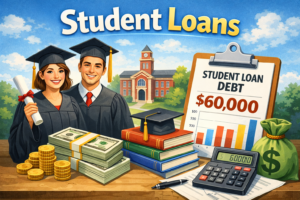
Student loans are funds borrowed to pay for education-related expenses such as:
-
Tuition fees
-
Books and supplies
-
Accommodation
-
Living expenses
-
Transportation
Unlike personal loans, student loans are specifically designed for education. They often come with:
-
Lower interest rates
-
Flexible repayment options
-
Grace periods after graduation
In my opinion, student loans are one of the few types of debt tha
t can truly be considered an investment — if chosen wisely.
Why Students Choose Loans
Not every family can afford to pay full tuition upfront. Even middle-class families struggle with rising education costs.
Common reasons for taking student loans include:
-
Studying abroad
-
Private university tuition
-
Professional degrees (medical, law, business)
-
Lack of savings
For many students, the choice is simple: either take a loan or give up on higher education.
And sometimes, that loan becomes the turning point in their life.
How Student Loans Work (Step-by-Step)
Let’s simplify the process.
1. Application
Students apply through banks or government programs. Required documents usually include:
-
Admission letter
-
Fee structure
-
Identity proof
-
Parent/guardian income details
2. Approval
The lender checks:
-
Course value
-
Institution reputation
-
Repayment ability (or co-signer strength)
3. Disbursement
Funds are usually sent directly to the institution.
4. Grace Period
Most student loans allow repayment to begin after graduation — this is called a grace period.
I personally think this grace period is helpful because it allows students to focus on studies without immediate financial pressure.
Types of Student Loans
There are mainly two categories:
1. Government Student Loans
-
Lower interest rates
-
Flexible repayment
-
Sometimes income-based repayment
2. Private Student Loans
-
Higher interest rates
-
Stricter repayment terms
-
May require a co-signer
In my opinion, government-backed loans are usually safer if available.
Interest Rates and Repayment
This is where things get serious.
Even though student loans often have lower interest rates compared to personal loans, interest still adds up over time.
For example:
Borrow $30,000
Repay maybe $35,000–$40,000 depending on rate and tenure.
Many students don’t realize how much interest accumulates during long repayment periods.
That’s why I believe understanding repayment terms before signing anything is extremely important.
The Emotional Side of Student Loans
No one talks about this enough.
Taking a student loan at 18 or 19 years old can feel overwhelming. It’s a big financial responsibility at a young age.
At the same time, it can also feel empowering — knowing someone is investing in your potential.
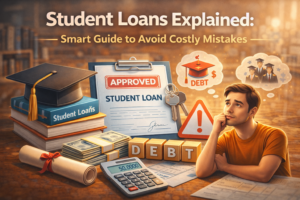
After graduation, reality hits. Monthly repayments begin. And if job search takes longer than expected, stress increases.
That’s why I always suggest:
-
Choose courses wisely
-
Research job prospects
-
Don’t borrow more than necessary
Education should create opportunities, not long-term regret.
When Student Loans Make Sense
In my honest opinion, student loans make sense when:
-
The degree improves earning potential
-
The institution has strong career outcomes
-
The student is serious about completing the course
-
Borrowed amount is reasonable
For example, professional degrees in medicine, engineering, or technology often provide higher income potential. In such cases, student loans can be a strategic decision.
When to Be Careful
Student loans may not be ideal if:
-
You are unsure about your career path
-
The course has low employment prospects
-
You’re borrowing for lifestyle expenses instead of education
-
The interest rate is very high
Education is valuable — but not every expensive degree guarantees success.
Smart Borrowing Tips for Students
If you’re considering a student loan, here’s what I personally recommend:
-
Borrow only what you truly need.
-
Look for scholarships before loans.
-
Understand interest calculation.
-
Check if repayment is income-based.
-
Avoid multiple private loans.
Planning early reduces pressure later.
Student Loans vs Part-Time Work
Some students try to avoid loans by working part-time. That’s a great option if manageable.
But balancing full-time studies and work can be exhausting.
In my opinion, it’s about balance. If part-time work covers small expenses and a loan covers tuition, that combination can work well.
Can Student Loans Affect Credit Score?
Yes.
Paying installments on time builds credit history. Missing payments damages it.
Many graduates don’t realize that student loans follow them for years. Responsible repayment improves long-term financial health.
Is Student Loan Debt Dangerous?
Debt becomes dangerous when:
-
Repayment exceeds income ability
-
Borrower ignores financial planning
-
There is no clear career direction
But managed wisely, student loans can be stepping stones to better opportunities.
The key is responsibility.
Final Thoughts: Education as an Investment
I strongly believe education is powerful. It changes mindset, confidence, and opportunities.
But financing education through student loans requires maturity.
In my opinion, before signing a loan agreement, every student should ask:
-
Is this degree aligned with my career goals?
-
What will my expected salary be?
-
How long will repayment take?
Student loans are not just about money — they are about your future.
Choose carefully. Plan wisely. And treat borrowing as a serious commitment, not free money.
Frequently Asked Questions (FAQs)
1. Are student loans worth it?
Yes, if the degree increases earning potential and career opportunities.
2. When do I start repaying student loans?
Most loans begin repayment after graduation or after a grace period.
3. Can student loans be paid early?
Yes, many lenders allow early repayment. Always check for prepayment penalties.
4. Do student loans affect credit score?
Yes. On-time payments improve credit score; missed payments reduce it.
5. What happens if I can’t repay?
Options may include deferment, restructuring, or income-based repayment. Always contact your lender immediately.