
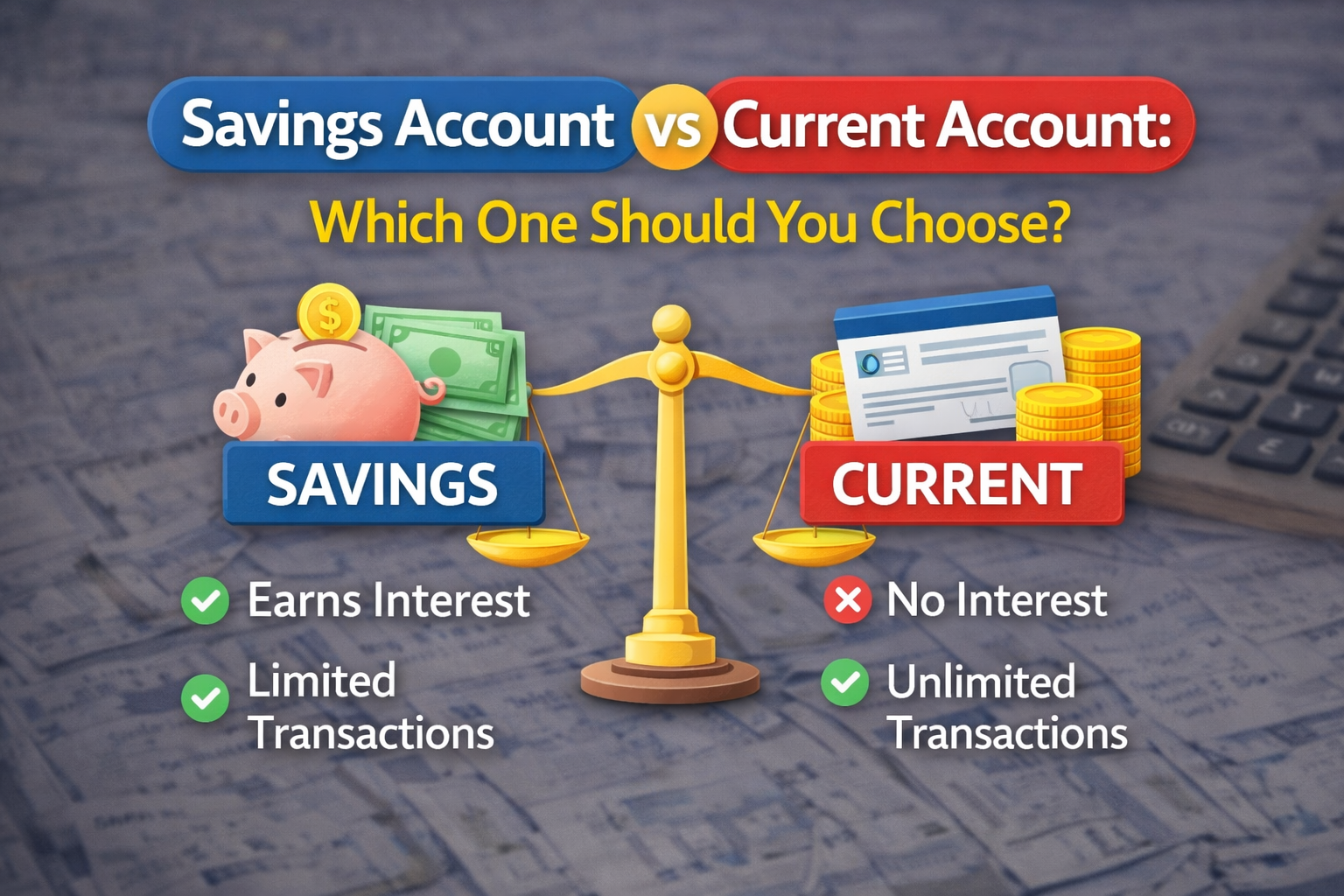
Savings Account vs Current Account 2026 – Which One Is Right for You?
Introduction
When you think about managing your money the first thing you need to do is pick the kind of bank account that’s right for you. In 2026 Savings Accounts and Current Accounts have changed to offer benefits that fit needs. A lot of people get confused between these two types of accounts. This can lead to bad financial decisions.
In this article we will explain Savings Account vs Current Account in detail talking about features, pros and cons and expert tips to help you decide which one is best for you. By the end of this guide you will know exactly which account fits your goals whether you want to save money run a business or manage daily transactions.
1. What Is a Savings Account?
A Savings Account is a type of bank account that is designed for individuals who want to save money while earning interest on their deposits. It is perfect for people who do not need to make a lot of transactions but want their money to grow safely over time.
The key features of a Savings Account are:
* You earn interest on your balance, which is usually added to your account every month or every few months.
* Most banks have deposit requirements. There is no limit on how much money you can have in your Savings Account.
* Typically banks allow you to make a withdrawals per month and if you make more you might have to pay fees.
* Savings Accounts are usually insured up to an amount, which means your money is safe.
The pros of a Savings Account are:
* You earn interest on your deposits.
* It is safe and secure and often insured.
* It is perfect for saving money over a period.
* It helps you develop saving habits.
The cons of a Savings Account are:
* You can only make a number of withdrawals per month.
* The interest rates might be lower compared to investment options.
* It is not suitable for business transactions.
2. What Is a Current Account?
A Current Account is mainly designed for businesses, companies and individuals who need to make a lot of transactions. Unlike a Savings Account Current Accounts usually do not earn interest. They allow you to make as deposits and withdrawals as you want.
The key features of a Current Account are:
* You can withdraw much money as you want without any restrictions.
* Some banks offer overdraft facilities, which allow you to withdraw money than you have in your account.
* Most Current Accounts do not provide interest on the balance.
* It is perfect for handling payments, invoices and payroll for businesses.
The pros of a Current Account are:
* There are no limits on transactions.
* It helps with business operations.
* It often comes with overdraft options.
* It is easy to manage payments and deposits.
The cons of a Current Account are:
* You do not earn interest on your deposits.
* You might have to pay maintenance fees.
* It is less suitable for savings or long-term funds.
3. Savings Account vs Current Account: Key Differences
Lets look at the differences between Savings Accounts and Current Accounts:
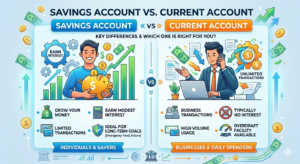
Savings Accounts earn interest while Current Accounts usually do not.
Savings Accounts have limited transactions per month while Current Accounts have no transaction limits.
Savings Accounts are perfect for saving while Current Accounts are tailored for business operations.
Savings Accounts usually have no fees while Current Accounts may have charges.
Savings Accounts rarely offer overdraft facilities while Current Accounts commonly do.
Savings Accounts have a balance requirement while Current Accounts often require a higher minimum balance.
As you can see Savings Accounts are designed for saving goals while Current Accounts are tailored for businesses and frequent transactions.
4. Who Should Open a Savings Account?
A Savings Account is perfect for students and young professionals to save money for expenses retirees to keep their funds safe while earning interest and small savers who want to save money without investing in assets.
I think opening a Savings Account is a step towards being financially disciplined. Even if you have a Current Account a Savings Account ensures your money grows with interest over time.
5. Who Should Open a Current Account?
A Current Account is ideal for business owners to manage payroll, supplier payments and client transactions freelancers with cash flow to handle deposits and withdrawals and entrepreneurs who need access to overdraft facilities and multiple transactions daily.
If you are an individual who deals with a lot of payments a Current Account might be useful for you.
6. How to Choose Between Savings and Current Account
Choosing the account depends on your goals. Here’s a step-by-step guide:
Think about what you need: do you want to earn interest or have the flexibility to make a lot of transactions?
Look at your cash flow: if you make a lot of deposits and withdrawals a Current Account might be better.
Consider fees and minimum balance: look for accounts with fees or benefits that fit your lifestyle.
Think about safety: if your goal is to save money over a period prioritize interest and security.
Check what the bank offers: some banks provide benefits like free debit cards, online banking and rewards.
7. Tips to Maximize Benefits from Both Accounts
You can use both accounts to your advantage:
Use a Savings Account for long-term savings and a Current Account for transactions.
Keep an eye on fees: make sure you have money in your account to avoid penalties.
Use banking: it can make managing both accounts easier.
Check interest rates: Savings Account interest rates can vary, so choose the bank with the rates.
8. Common Mistakes to Avoid
Do not use a Current Account like a Savings Account: leave money idle.
Do not ignore withdrawal limits in a Savings Account or you might have to pay extra fees.
Use overdraft facilities wisely or you might face penalties.
Do not focus on interest rates without considering account features.
9. My Personal Experience
When I first started my career I opened a Savings Account to grow my funds. As my freelance business expanded I realized I needed a Current Account to manage payments. Using both accounts allowed me to earn interest and handle transactions efficiently.
The lesson I learned is that choosing the account is not about one being better than the other: it’s about your goals and how you use your accounts.
10. FAQs About Savings vs Current Accounts
Q1: Can I open both Savings and Current Accounts at the bank?
Yes most banks allow you to have both accounts. In fact having both can be beneficial for managing your funds.
Q2: Can a Savings Account be converted to a Current Account?
Some banks allow conversion: check the balance and fee requirements first.
Q3: Do Savings Accounts earn interest than fixed deposits?
Typically no: fixed deposits usually offer more interest but Savings Accounts provide liquidity.
Q4: Are Current Accounts, for large amounts of money?
Yes they are: keep in mind that most Current Accounts do not earn interest. Consider keeping funds in a Savings Account or fixed deposit.
Q5: Can businesses open a Savings Account?
Generally businesses are advised to use Current Accounts for transactions and compliance purposes.
Conclusion
In 2026 choosing between a Savings Account and a Current Account depends on your priorities. For saving money earning interest and long-term security a Savings Account is ideal. For transactions business operations and cash flow management a Current Account is the choice.
Pro Tip
My tip is to consider opening both types of accounts to balance growth, flexibility and convenience. This ensures you make the most of your money while staying organized and financially disciplined.