
Introduction
Saving Money Practical and Smart Ways to Build Financial Security in 2026
Saving money is no longer just a good habit—it’s a survival skill in today’s economy. With rising living costs in the UK and USA, from groceries to housing and energy bills, many people are actively searching for realistic ways to save money without sacrificing their quality of life.
The good news? You don’t need a huge income to start saving. What you need is the right strategy, a little discipline, and a mindset shift. Whether you’re trying to build an emergency fund, pay off debt, or simply stop living paycheck to paycheck, smart money-saving habits can change your financial future.
In this guide, we’ll explore practical, proven, and easy-to-follow ways to save money that actually work for everyday people. No unrealistic advice—just real solutions.
Why Saving Money Is More Important Than Ever
The financial landscape in 2026 looks different from a few years ago. Inflation, economic uncertainty, and lifestyle inflation have made saving money harder—but also more necessary.
Here’s why saving money matters more than ever:
-
Emergency protection: Unexpected expenses like medical bills or car repairs can wipe out unprepared households.
-
Financial freedom: Savings give you choices—career flexibility, stress reduction, and peace of mind.
-
Debt avoidance: When you save consistently, you rely less on credit cards and loans.
-
Future planning: From buying a home to retirement, savings create opportunities.
Simply put, saving money is not about restriction—it’s about control.
Start With a Realistic Budget
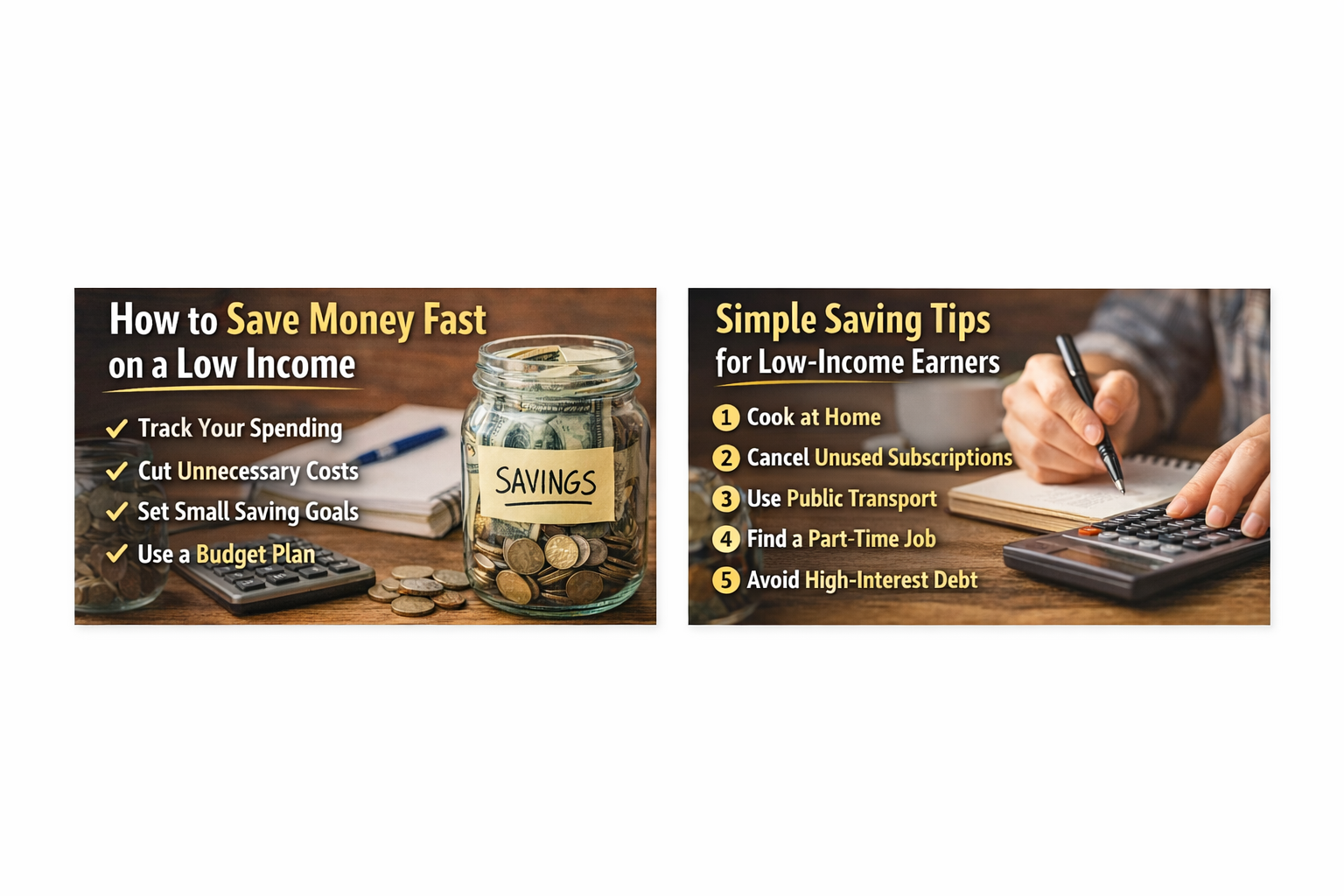
A budget is the foundation of saving money. Without knowing where your money goes, saving becomes guesswork.
How to Create a Simple Budget
-
Track income and expenses for 30 days
-
Categorize spending (rent, food, transport, subscriptions)
-
Identify non-essential expenses
-
Set a monthly savings goal (even £50 or $500 matters)
You don’t need complex spreadsheets. Apps like budgeting trackers or even a notebook can work if you stay consistent.
Cut Unnecessary Expenses Without Feeling Deprived
Saving money doesn’t mean cutting all fun—it means cutting waste.
Smart Expense-Cutting Tips
-
Cancel unused subscriptions (streaming, apps, gyms)
-
Switch to cheaper cloths and shoes
-
Cook at home more often instead of ordering food
-
Buy generic brands instead of premium labels
- Switch to cheaper phones and internet
In both the UK and USA, people often overspend on convenience. Small daily savings add up faster than you think.
Automate Your Savings
One of the easiest ways to save money is automation. When savings happen automatically, you’re less tempted to spend.
How Automation Helps
-
Set up automatic transfers to savings accounts
-
Use employer pension or 401(k) contributions
-
Try “round-up” savings apps that save spare change
Treat savings like a non-negotiable bill. Pay yourself first—future you will thank you.
Reduce Utility and Household Bills
Household expenses are a major drain on income, but small changes can lead to big savings.
Easy Ways to Lower Bills
-
Switch energy providers annually
-
Use energy-efficient appliances
-
Turn off unused electronics
-
Install LED lighting
-
Reduce water usage
- Increase the use of saolar panales
Build an Emergency Fund First
Before investing or spending on luxuries, focus on building an emergency fund.
Emergency Fund Basics
-
Aim for 3–6 months of living expenses
-
Keep funds in a high-interest savings account
-
Only use for true emergencies
This fund acts as your financial safety net and prevents debt during unexpected situations.
Save Money on Groceries and Daily Spending
Groceries are one of the easiest areas to overspend.
Smart Grocery-Saving Tips
-
Plan meals before shopping
-
Never shop hungry
-
Compare prices online
-
Buy in bulk for non-perishables
-
Use loyalty programs and cashback apps
In both the UK and USA, supermarkets offer frequent deals—use them strategically.
Avoid Lifestyle Inflation
As income increases, spending often increases too. This is called lifestyle inflation—and it’s a major enemy of saving money.
How to Avoid It
-
Increase savings when income increases
-
Delay big purchases for 30 days
-
Focus on long-term goals, not short-term pleasure
Just because you can spend more doesn’t mean you should.
Make Saving Money a Habit, Not a One-Time Goal
Consistency beats motivation. Saving money works best when it becomes automatic and habitual.
Habit-Building Tips
-
Save the same amount every month
-
Track progress visually
-
Reward milestones responsibly
-
Review finances monthly
Even small, consistent savings can grow into significant wealth over time.
My personal opinion on saving money
According to my experience, every person should be need to start saving if he want to live his life in stable way because during life any difficulty will comes anytime and if this difficulty is about money or urgent fund than you will be resolve this problem with your savings. So if you start savings today than after some months this short money convert into a long handsome amount.
Therefore,if you don’t want to face any difficulty regarding money than you need to start savings.
This is my final openion on saving money.
Conclusion
Saving money isn’t about living less—it’s about living smarter. With the right habits, tools, and mindset, anyone can take control of their finances, even in uncertain economic times.
Whether you’re in the UK or USA, the principles remain the same: spend intentionally, save consistently, and plan wisely. Start small, stay disciplined, and remember—financial freedom is built one smart decision at a time.
The best time to start saving money was yesterday. The second-best time? Today.
FAQs About Saving Money
How much should I save each month?
Ideally, save at least 20% of your income, but even 5–10% is a great start if you’re on a tight budget.
Is it better to save or pay off debt first?
High-interest debt should be prioritized, but still save a small emergency fund alongside debt payments.
What is the easiest way to start saving money?
Automate your savings. Set it once and let it run in the background.
Can I save money on a low income?
Yes. Saving is about habits, not income level. Even small amounts matter.
Where should I keep my savings?
Use a high-interest savings account or cash ISA (UK) for easy access and growth